

 English

Cell & Gene Therapy
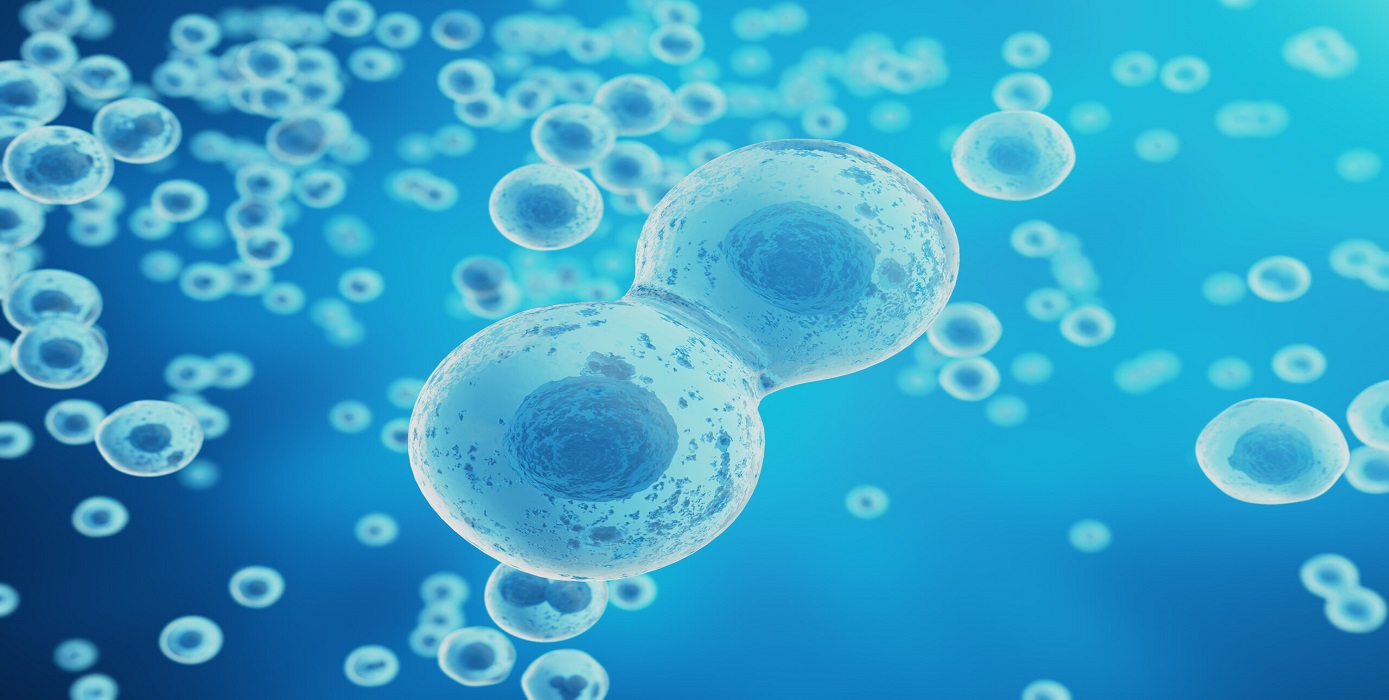
Cell and gene therapy are advanced therapeutic approaches that aim to treat or cure diseases by modifying genetic material or using living cells to restore normal function. These therapies offer potential cures for genetic disorders, cancers, and other previously untreatable conditions. As groundbreaking innovations in modern medicine, they hold the promise of transforming healthcare and improving patient outcomes worldwide. The main categories and tools of Cell and Gene Therapy (CGT) are:
Gene Therapy

In Vivo Gene Therapy
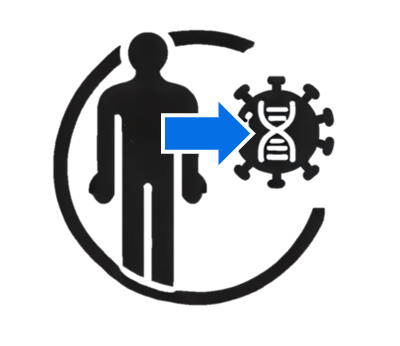
In vivo gene therapy involves delivering therapeutic genetic material directly into a patient’s body to correct or modify faulty genes at the cellular level. This method uses vectors, often viral, to transport the genetic material to specific cells or tissues, allowing for gene correction without removing cells from the body. In vivo approaches are particularly useful for targeting hard-to-reach tissues and offer a streamlined, less invasive pathway for treating genetic disorders.
Ex Vivo Gene Therapy
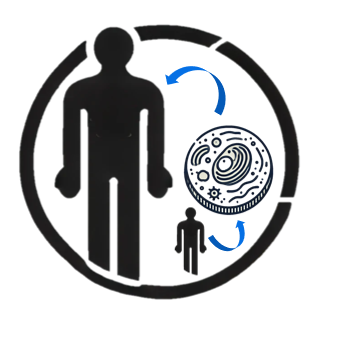
Ex vivo gene therapy involves removing cells from a patient, genetically modifying them in a controlled laboratory environment, and then reintroducing them into the body. This approach allows for precise genetic manipulation and extensive quality control to ensure the modified cells meet safety and efficacy standards. It is widely used in therapies like CAR-T cell treatments and gene editing for genetic disorders, offering highly targeted and effective outcomes.
Cell Therapy

Autologous Cell Therapy
Autologous cell therapy uses a patient’s own cells, which are harvested, modified or expanded, and then reintroduced to treat disease. This approach minimizes the risk of immune rejection and compatibility issues, as the cells are naturally recognized by the body. It is commonly used in personalized treatments like CAR-T cell therapy and stem cell transplants.
Allogenic Cell Therapy
Allogeneic cell therapy involves using cells from a donor, which are processed and administered to a patient to restore or replace damaged tissues. This method allows for off-the-shelf therapies and broader accessibility, as cells can be sourced from healthy donors. However, immune compatibility must be carefully managed to reduce the risk of rejection or graft-versus-host disease.
Tools and Techniques
Gene Delivery Methods
Gene delivery methods involve introducing genetic material into cells to treat, modify, or prevent diseases, with viral vectors such as AAV, lentivirus, and adenovirus being the most used due to their high efficiency and ability to target specific cells. These methods are essential for gene therapy and many genome editing applications. While non-viral methods such as lipid nanoparticles and electroporation are also used, viral vectors remain the preferred approach for achieving effective and stable gene delivery.

Genome Editing Tools
Genome editing involves the precise modification of DNA within a cell to correct, remove, or replace faulty genetic sequences using tools such as CRISPR/Cas9, TALENs, or zinc finger nucleases. This technique can be applied both in vivo (directly in the patient) or ex vivo (in cells outside the body), depending on the therapeutic strategy. Genome editing focuses on altering the genetic material itself, offering the potential for long-lasting or permanent changes to address genetic disorders.
Viral Vector Purification
Harvest
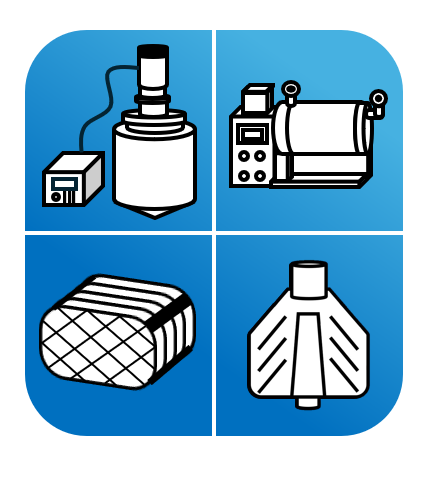
Viral vector harvesting follows cell culture and is a critical step in gene therapy manufacturing, ensuring the recovery of functional vectors while removing cell debris and unwanted impurities. This process is typically performed using clarification techniques such as centrifugation and filtration to separate viral vectors from host cell contaminants. Optimized harvesting is essential to maintain vector integrity and infectivity, ensuring high yields for downstream purification.
Centrifugation Based Purification
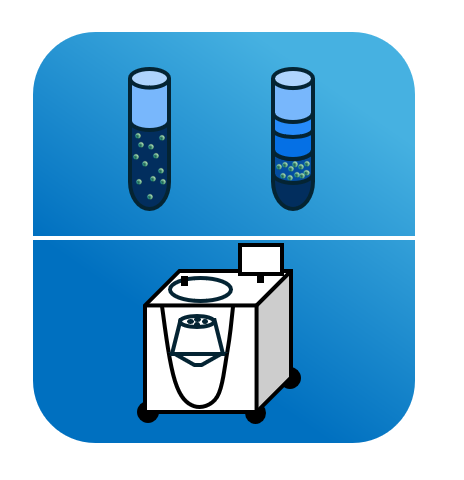
Virus purification using centrifugation relies on separating viral particles based on size and density through methods like differential and density gradient centrifugation. Differential centrifugation removes cell debris in successive spins, while density gradients (e.g., sucrose or cesium chloride) isolate viruses at their equilibrium density. These methods effectively concentrate and purify viruses while preserving integrity, but are less scalable compared to filtration or chromatography, making them more suitable for research or small-scale applications.
Chromatography Based Purification
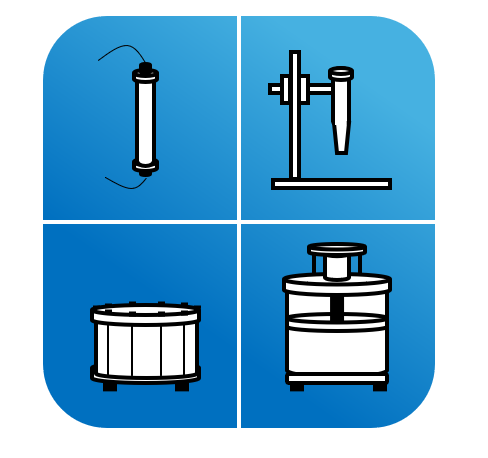
Chromatography-based purification of viral vectors is crucial for removing impurities while preserving the infectivity and genome integrity required for effective gene delivery. Unlike viruses used in vaccines, where maintaining antigenicity is the primary goal, viral vectors must retain functional genomes and structural integrity to ensure therapeutic efficacy. This necessitates more precise purification techniques, such as ion-exchange and affinity chromatography, to separate intact, infectious vectors from empty capsids and host cell contaminants. The result is a highly purified, functional product essential for gene therapy applications.
CHT™ Ceramic Hydroxyapatite Media Purification of Antibodies
Ceramic hydroxyapatite chromatography is a highly effective mixed-mode purification technique used in viral vector processing, offering exceptional selectivity in removing impurities such as host cell proteins and nucleic acids. Its unique dual interaction mechanism allows for efficient separation under gentle conditions, supporting the preservation of viral vector integrity and functionality. The versatility and scalability of CHT Ceramic Hydroxyapatite Media makes it an ideal choice for producing high-purity viral vectors, ensuring consistent performance in gene therapy and other therapeutic applications.
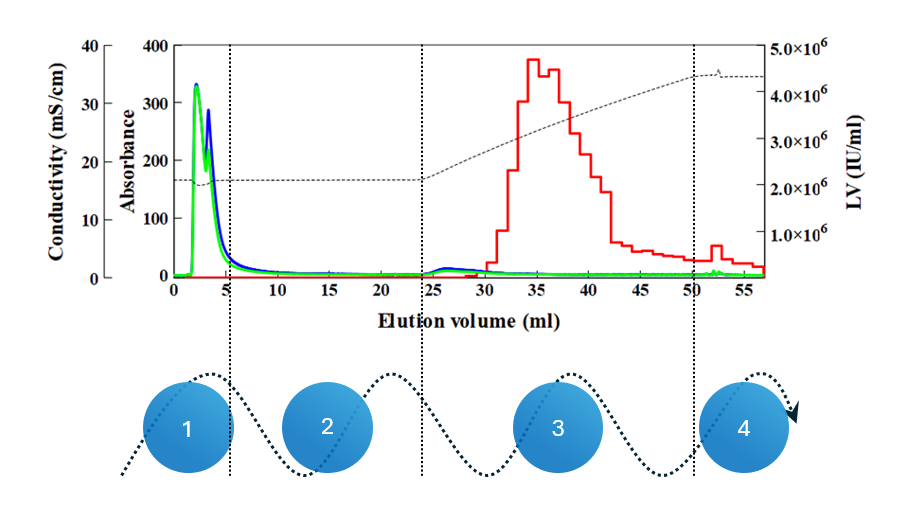
A general purification of antibodies with CHT Ceramic Hydroxyapatite Media encompass the following phases:
- Loading Phase (Antibody is loaded onto the column)
- Washing Phase (Low conductivity/phosphate concentration to remove loosely bound impurities)
- Elution Phase (Conductivity/phosphate concentration gradually increased (gradient elution) is used when a process is undefined. A step elution buffer is used instead if the optimal condition has been found.
- Strip and Sanitization Phases A high concentration of phosphate is used to strip any tightly bound impurities, followed by sodium hydroxide for sanitization. Finally, the column is regenerated for the next cycle.
White text
Resources
-
Guide to Lentiviral Vector Purification with CHT™ Ceramic Hydroxyapatite Media
Aims to guide the use of ceramic hydroxyapatite media to overcome LVV purification challenges.
-
Plasmid Purification Using CHT™ Ceramic Hydroxyapatite Media Support
Purification of plasmids for gene delivery in variety of clinical applications for gene therapy
