

 English

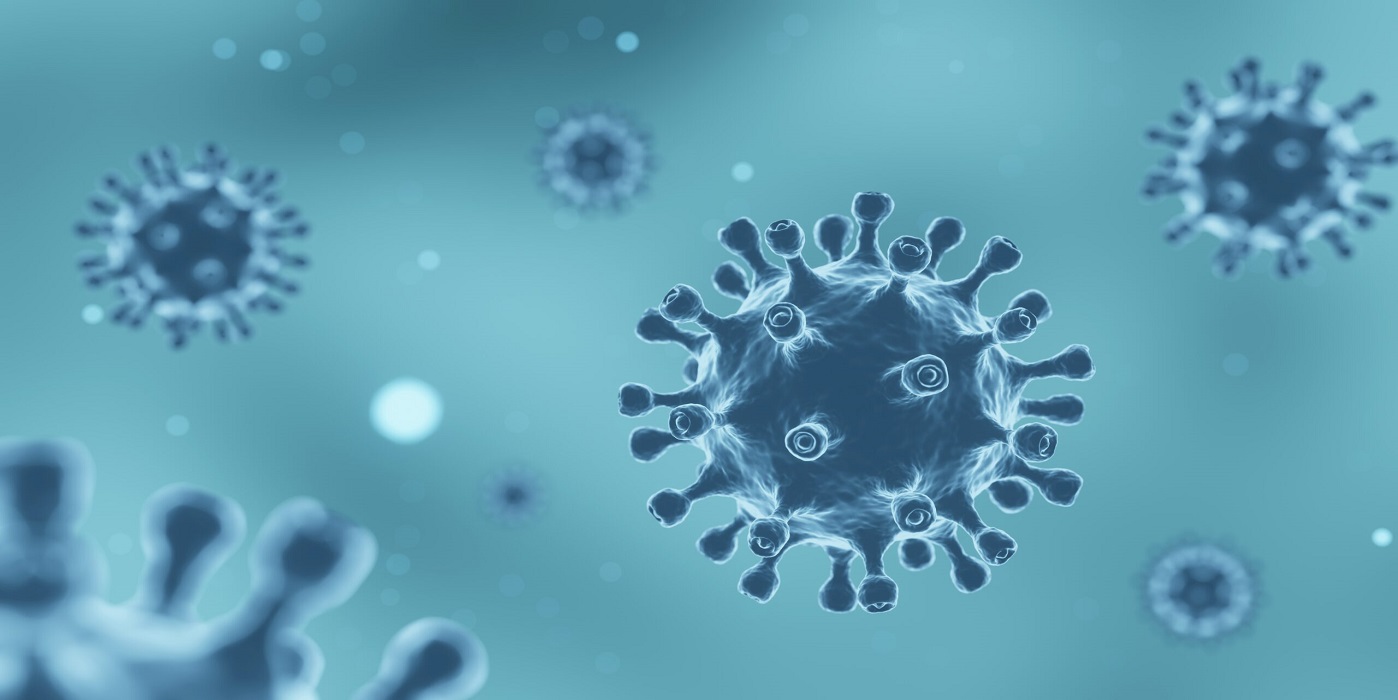
Vaccines are biological preparations designed to stimulate the immune system to recognize and combat specific pathogens, providing immunity against target diseases. They are developed using diverse approaches, including antigens or toxins derived from viruses or bacteria, viral vectors, and inactivated or attenuated viruses. Recent advancements include mRNA vaccines, such as those developed against COVID-19, which encode antigens to elicit a protective immune response. Examples of vaccines include:
Whole Virus Vaccines
Live Attenuated
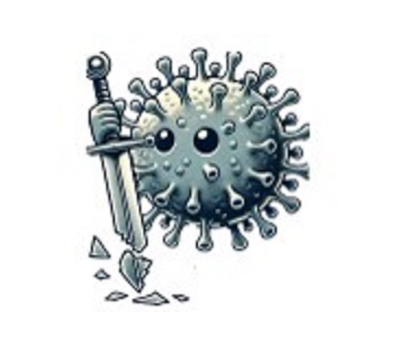
Live attenuated vaccines are created by weakening a pathogen so that it can no longer cause disease in healthy individuals but still elicits a strong immune response. They are commonly used for diseases like measles, mumps, rubella, and yellow fever. However, they require careful storage and are not recommended for immunocompromised individuals.
Inactivated
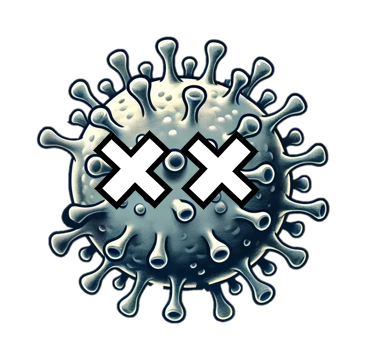
Inactivated vaccines are produced by killing the pathogen, rendering it incapable of causing infection while preserving its ability to trigger an immune response. Examples include the polio (IPV) and hepatitis A vaccines. They often require multiple doses or booster shots to maintain immunity but are safe for use even in immunocompromised individuals.
Viral Vector
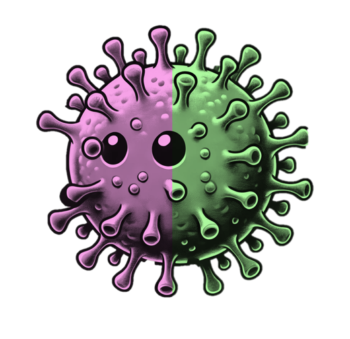
Viral vector vaccines use a harmless virus as a delivery system to introduce genetic material encoding an antigen from the target pathogen. This triggers an immune response without causing disease. They are effective at generating robust immunity and are highly versatile but require careful design to ensure safety and efficacy.
Subunit vaccines
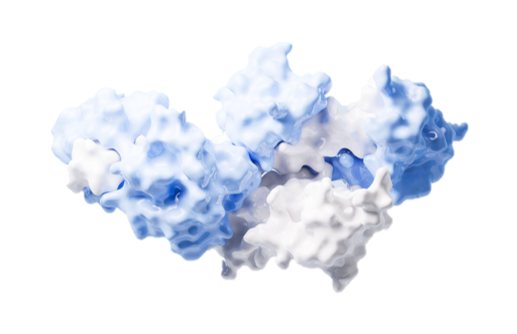
Protein Subunit
Protein subunit vaccines contain purified components of a pathogen, such as surface proteins, that trigger an immune response without exposing the body to the entire organism. These vaccines are safe, well-tolerated, and suitable for immunocompromised individuals. Examples include the hepatitis B and HPV vaccines. These vaccines may require adjuvants and booster doses to enhance immunity.
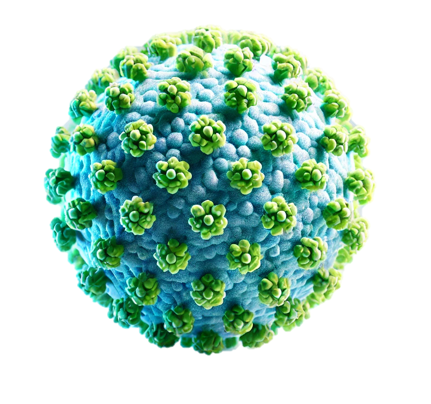
Virus-Like Particles
Virus-like particle (VLP) vaccines are made from self-assembled viral proteins that mimic the structure of a virus but lack genetic material, making them non-infectious. Examples include the HPV and hepatitis B vaccines. VLP vaccines are safe, highly immunogenic, and increasingly used in modern vaccine development.
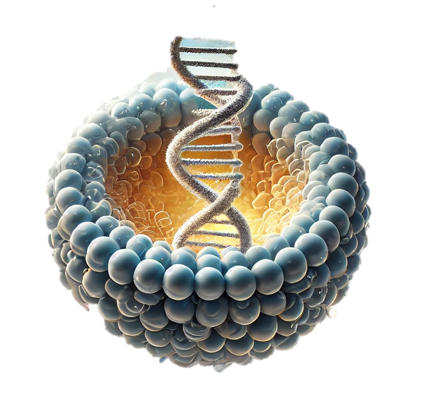
mRNA vaccines
mRNA vaccines use synthetic messenger RNA to instruct cells to produce a specific antigen, which triggers an immune response. These vaccines are fast to develop and highly effective, as seen in the COVID-19 vaccines by Pfizer-BioNTech and Moderna. Since they do not use live virus, they are safe and suitable for most individuals.
Virus Purification
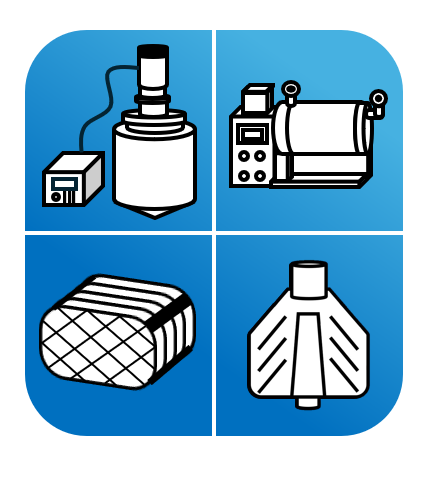
Harvest
Virus harvesting occurs after the culturing process is complete and is the first step in downstream processing, aimed at recovering viral particles while removing cell debris and unwanted impurities. This is typically achieved through clarification methods such as centrifugation and filtration, which separate intact viruses from cellular contaminants. Effective virus harvesting ensures high yields and purity, optimizing the subsequent purification process.
Centrifugation Based Purification
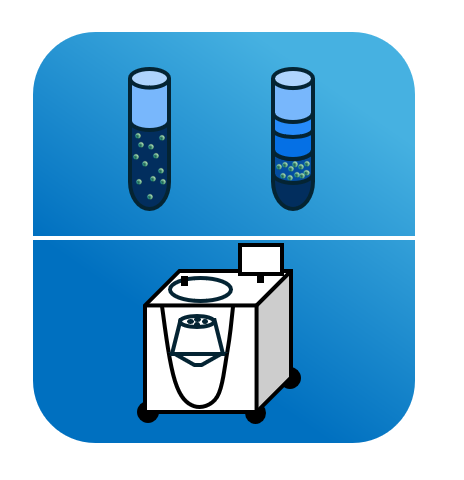
Virus purification using centrifugation relies on separating viral particles based on size and density through methods like differential and density gradient centrifugation. Differential centrifugation removes cell debris in successive spins, while density gradients (e.g., sucrose or cesium chloride) isolate viruses at their equilibrium density. These methods effectively concentrate and purify viruses while preserving integrity, but are less scalable compared to filtration or chromatography, making them more suitable for research or small-scale applications.
Chromatography Based Purification
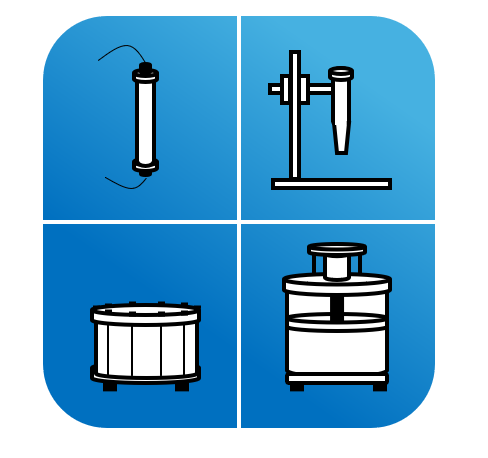
Virus purification using chromatography separates viral particles from host cell contaminants based on size, charge, and affinity. Unlike protein purification, it requires resins with significantly larger pore sizes to accommodate the greater size and structural complexity of viruses, ensuring efficient flow without clogging. Additionally, shear forces must be carefully controlled to prevent damage to fragile viral particles, particularly enveloped viruses. While protein purification is generally more straightforward and easily scalable due to smaller molecular sizes and standardized methods, virus purification requires careful optimization to achieve high purity and yield while preserving viral integrity, especially in large-scale production.
CHT™ Ceramic Hydroxyapatite Media Purification of Antibodies
Ceramic hydroxyapatite chromatography is an effective method for virus purification, known for its ability to efficiently remove impurities such as host cell proteins, nucleic acids, and endotoxins while preserving viral integrity. CHT Ceramic Hydroxyapatite Media is particularly useful in reducing residual DNA and host cell contaminants, making it suitable for both vaccine production and gene therapy applications. Its scalability ensures consistent performance from research to industrial-scale processes.
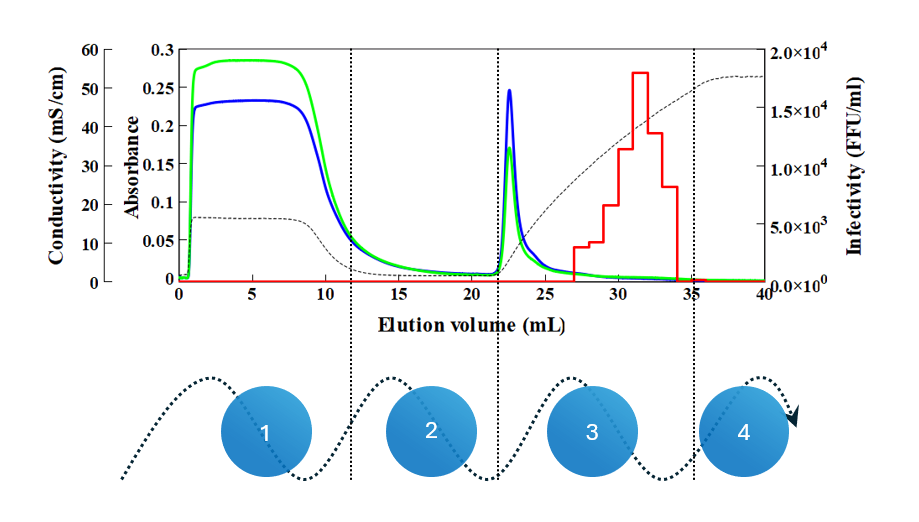
A general purification of antibodies with CHT Ceramic Hydroxyapatite Media encompass the following phases:
- Loading Phase (Antibody is loaded onto the column)
- Washing Phase (Low conductivity/phosphate concentration to remove loosely bound impurities)
- Elution Phase (Conductivity/phosphate concentration gradually increased (gradient elution) is used when a process is undefined. A step elution buffer is used instead if the optimal condition has been found.
- Strip and Sanitization Phases A high concentration of phosphate is used to strip any tightly bound impurities, followed by sodium hydroxide for sanitization. Finally, the column is regenerated for the next cycle.
White text
Resources
-
Guide to Lentiviral Vector Purification with CHT™ Ceramic Hydroxyapatite Media
Aims to guide the use of ceramic hydroxyapatite media to overcome LVV purification challenges.
-
Single-Step Influenza and Dengue Virus Purification with Mixed-Mode CHT™ Ceramic Hydroxyapatite XT Media
Virus purification using Ceramic Hydroxyapatite XT Media
