

 English

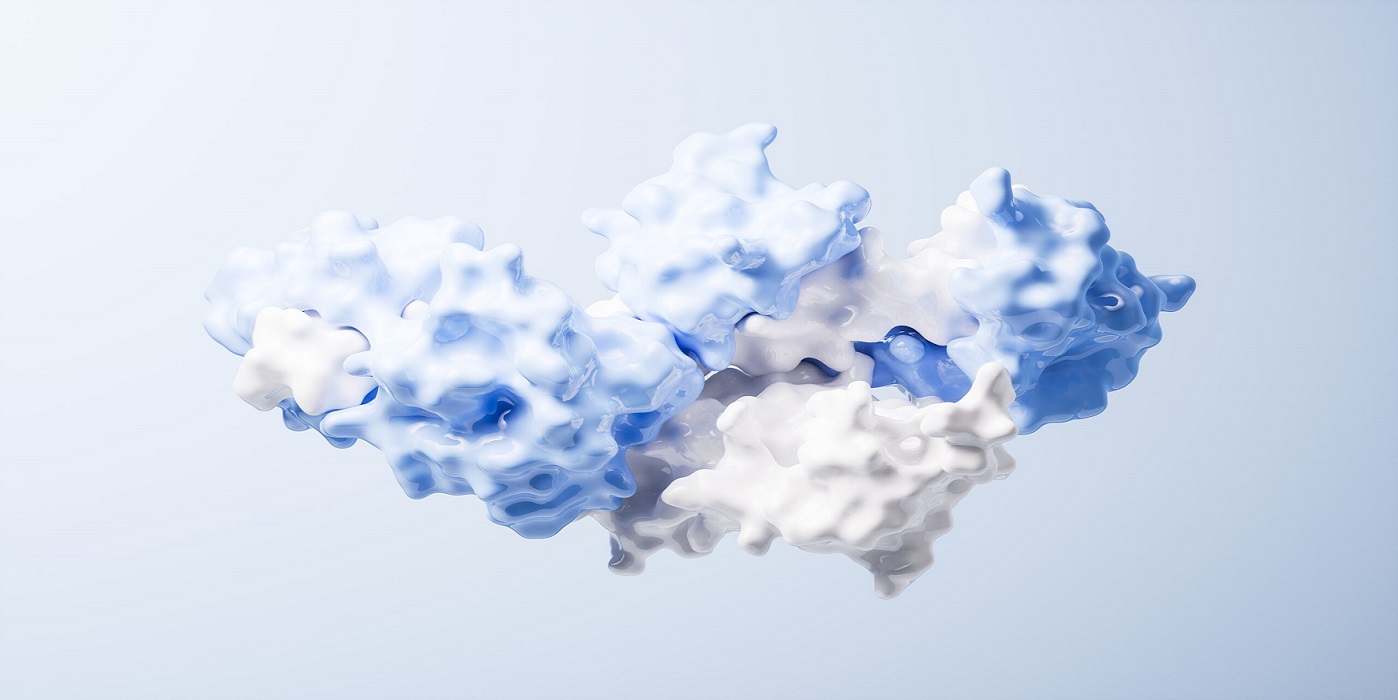
Recombinant Proteins
Recombinant proteins are proteins that are made artificially through introduction of a gene into a host organism. Expression of the encoded protein is then purified for various therapeutic, industrial or research purposes. Recombinant production enables large-scale production of proteins which are difficult or impossible to isolate from natural sources. Examples of recombinant proteins include:
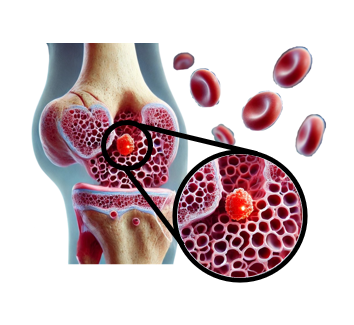
Erythropoietin as a Therapeutic
Recombinant erythropoietin is widely used as a therapeutic treatment for anemia. It is typically produced in mammalian cells, such as Chinese Hamster Ovary (CHO) cells, to ensure proper glycosylation, which is essential for its therapeutic efficacy. Upon administration to the patient, erythropoietin binds to the erythropoietin receptor (EPOR) on target cells, stimulating the differentiation and proliferation of hematopoietic stem cells into mature red blood cells.
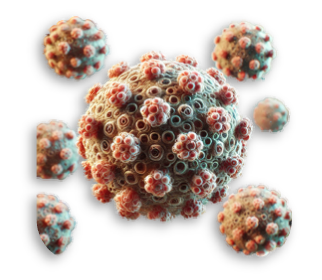
Virus-like Particles as a Vaccine
Virus-like Particles (VLPs) are formed by the self-assembly of viral capsid proteins produced through recombinant DNA technology. High-purity proteins are essential for VLP-based vaccines, achieved through advanced purification techniques such as chromatography and filtration. Once purified, VLPs are combined with adjuvants to enhance immunogenicity, offering an effective platform for vaccine development.
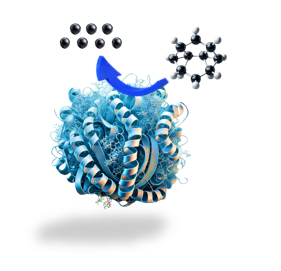
Enzymes for Industrial Use
Enzymes serve a wide range of industrial applications, including waste treatment and biofuel production. They are typically produced in microorganisms through large-scale fermentation processes. Following fermentation, the enzymes are extracted, purified, and lyophilized, resulting in a stable powdered form suitable for commercial use.
Membrane Proteins for Research
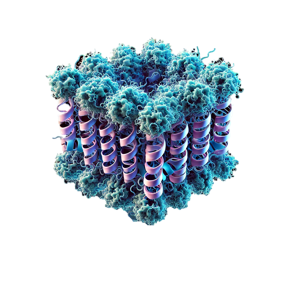
Membrane proteins, categorized as integral or peripheral, are embedded within or associated with the lipid bilayer, performing essential roles in cellular processes. Studying these proteins requires their isolation and purification using advanced techniques, enabling researchers to unravel their structure, function, and the implications of their dysfunction.
Protein Purification
Harvest
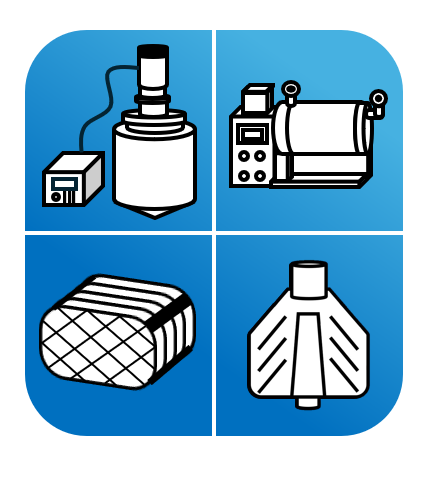
The method of protein harvesting depends on whether the protein is produced intracellularly or secreted into the culture medium. Intracellular proteins require cell lysis techniques, such as sonication, bead milling, or freeze-thaw cycles, followed by clarification to remove cellular debris. In contrast, secreted proteins are typically recovered through centrifugation and/or filtration to separate the cells from the supernatant efficiently.
Chromatography
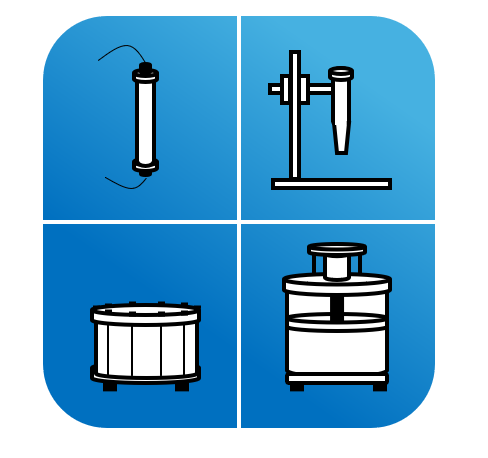
Chromatography is the primary method for purifying recombinant proteins. However, the diverse nature and properties of proteins, combined with the need for scalability and operational efficiency, necessitate including alternative methods such as precipitation, crystallization, or phase separation during purification process development.
Unlike antibodies, which benefit from well-established and extensively characterized platform chromatography processes, the purification of other recombinant proteins often lacks such standardized approaches. As a result, developing purification processes for recombinant proteins requires more extensive selection, optimization and method development to achieve the desired purity and yield.
CHT™ Ceramic Hydroxyapatite Media Purification of Antibodies
Ceramic hydroxyapatite chromatography is a precise technique for purifying recombinant proteins in research and biopharmaceuticals. Its dual mechanism of cation exchange and calcium affinity enables precise separation of isoforms, aggregates, and impurities. Particularly effective for glycoproteins, enzymes, and membrane proteins, CHT Ceramic Hydroxyapatite Media ensures high purity, structural integrity, and exceptional resolution, making it a top choice for quality protein purification.
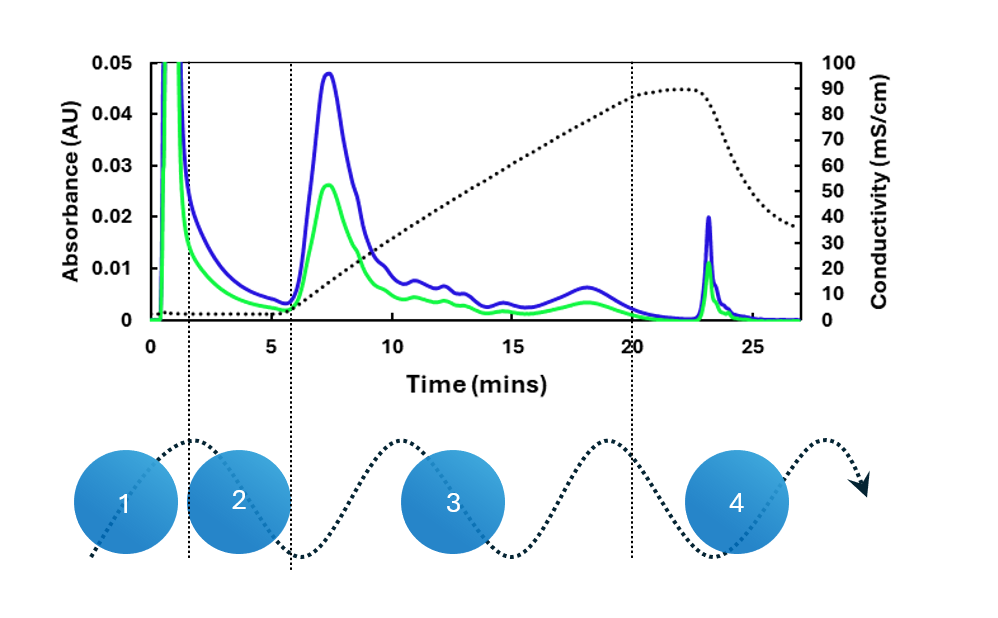
A general purification of antibodies with CHT Ceramic Hydroxyapatite Media encompass the following phases:
- Loading Phase (Protein is loaded onto the column)
- Washing Phase (Low conductivity/phosphate concentration to remove loosely bound impurities)
- Elution Phase (Conductivity/phosphate concentration gradually increased (gradient elution) is used when a process is undefined. A step elution buffer is used instead if the optimal condition has been found.
- Strip and Sanitization Phases A high concentration of phosphate is used to strip any tightly bound impurities, followed by sodium hydroxide for sanitization. Finally, the column is regenerated for the next cycle.
White text
Resources
-
Purification of a Calcium-Binding Protein using Ceramic Hydroxyapatite
Study on the purification of calcium-binding protein using ceramic hydroxyapatite
-
Purification of an Acidic Enzyme Using Ceramic Hydroxyapatite Chromatography: Effective Removal of Acidic Impurities
Study on the effect of buffer components on the separation of an acidic enzyme from other acidic impurities using ceramic hydroxyapatite
